Our training programs are designed as interactive, application-oriented modules that integrate participant-specific learning objectives with advanced instructional methodologies. Each course emphasizes practical engagement, problem-solving exercises, and scenario-based simulations, ensuring that the curriculum is aligned with operational requirements and technical competencies.
By combining theoretical frameworks of water chemistry and system engineering with hands-on analytical techniques and monitoring practices, the training delivers customised knowledge transfer tailored to the unique performance needs of each participant or organization.
 The module covers how water chemistries are interrelated in affecting scaling and corrosion in cooling water systems.
- Calculations
- Factors affecting scaling and corrosion
- Real-time monitoring and control
- Test methods commonly used
- Water chemistry theory
This module is designed to provide information on key aspects of boiler/steam systems:
- Calculations
- Chemical Treatment
- Mechanical aspects of steam generation
- pH control
- Real time monitoring and control
- Oxygen scavengers
- Scale/Corrosion control
- Test methods commonly used
- Troubleshooting
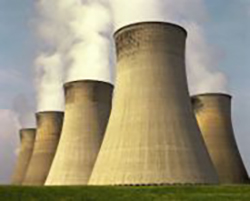 This module focuses on aspects key to cooling and recirculating water.
Note: Completion of the Water Chemistry module is a prerequisite for this module.
- Once through, recirculating and Closed loop cooling and treatment
- Corrosion control
- Mechanical aspects of cooling
- Microbial control
- Real time monitoring and control
- Scaling/Deposition control
- Test methods commonly used
- Troubleshooting
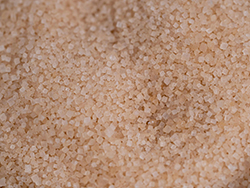 This module focuses on the following topics:
- Theory of IX
- IX Applications
- Troubleshooting
- Laboratory evaluations with IX resins
- Quality control testing of resins
- Real time monitoring and control
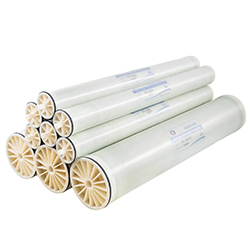 This module focuses on the following topics:
- Theory of osmosis
- Design and operation of ROs
- Chemical and microbial treatment
- Clean-in-Place (CIP) processes
- Calculations
- Troubleshooting
- Real-time monitoring and control
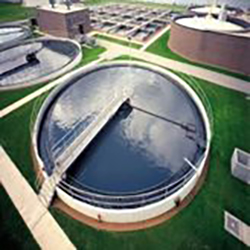 This module focuses on the treatment of influent and effluent water:
- Coagulation & Flocculation Theory
- Types of coagulants and flocculants
- Selection and evaluation of coagulants and flocculants
- Equipment (Clarifiers, DAFs, Filters, belt presses, screw presses, etc.)
- Calculations
- Troubleshooting
- Real-time monitoring and control
- Solids recovery
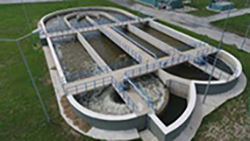 This module focuses on the treatment of wastewater for the removal of contaminants to meet discharge permit requirements or reuse purposes.
- Aerobic process, Anaerobic processes, Hybrid processes
- Bioaugmentation and nutrients
- Biomass Health Index
- Calculations
- Troubleshooting
- Real-time monitoring and control
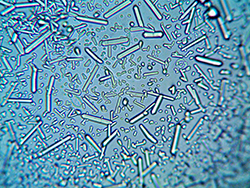 This module covers the following topics:
- History of Legionellosis
- Assessment and Management Control Procedures
- Control of Legionella in Hot and Cold-Water Systems
- Control of Legionella in Cooling Water Systems
- Real-time monitoring and control
- Data interpretation and record keeping
 Modules can be selected from the list below based on your training requirements:
- Aerobic and anaerobic wastewater treatment
- Charge control and zeta potential
- Defoamers
- Deposit analysis and interpretation
- Drainage and retention
- Dry strength resins
- Enzymes and fibre modification
- Laboratory wet-end methods
- Lime-mud dewatering
- Microbial and deposit control
- Pitch and stickies particle size distribution and hydrophobicity
- Repulping aids (chlorine free)
- Wet end chemistry
- Wet strength resins
The following training modules are available for testing laboratories:
- ISO/IEC 17025:2017 Laboratory Quality Management Systems
- Internal auditing for food and water laboratories
- Technical Signatory & Nominated Representative
- Root-cause analysis for food and water laboratories
- Risk assessments for food and water laboratories
- Microbiology method validation and uncertainty of measurement for food and water laboratories
We have partnered with
ISO-LAB Consulting for this training.
This training module provides applied instruction in the operation and calibration of portable analytical field kits and laboratory-grade instrumentation for water quality assessment. Participants will gain proficiency in measuring key physicochemical parameters including pH, electrical conductivity, oxidation-reduction potential (ORP), chlorine residuals (free and combined), monochloramine residuals, hardness, chloride concentration, sulphate and sulphite levels, dissolved iron, turbidity, and chlorine dioxide, among others.
The course will also address methodological evaluation of analytical techniques, with a comparative analysis of test strips, titrimetric, dropper-based assays, colorimetric methods, and spectrophotometric determinations. Emphasis will be placed on understanding the precision, accuracy, detection limits, interferences, and operational constraints associated with each technique, enabling participants to select the most appropriate method for specific field and laboratory applications.